Do you open your email to find 100+ unread messages? Do you view your calendar for the day and break out in a cold sweat as you stare down 6 hours of scheduled meetings? Do you see the same inefficient things happening in your organization, but feel powerless to do something about it?
Agile Development or SCRUM are methodologies widely practiced by the tech community and can easily be applied outside the industry to help teams work better together and avoid burnout. The following items are adopted from the core teachings of Agile Development and SCRUM—and can be applied with little effort to your team.
Time cannot be managed…but tasks can
The term “time management” is incredibly misleading. You cannot create more time or slow it down. Instead, you must manage yourself and the things you do with the time you have. Time does not have to be your enemy; it can work to your advantage if you understand how long it takes you to do certain tasks versus others.
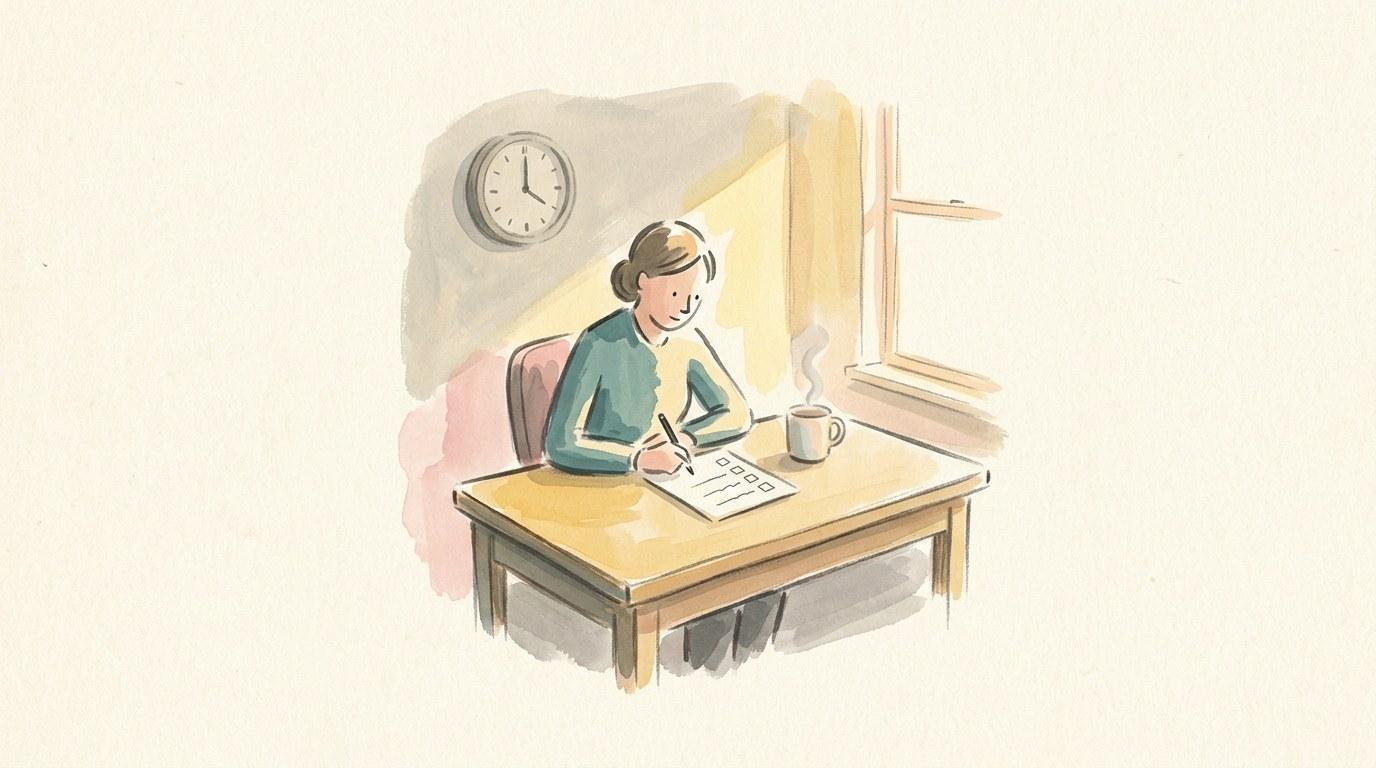
How does this work, in practice? To begin, you need to understand what you have on your to-do list. Whether you do this with a spreadsheet, a fancy app, or a gnarled scrap of paper that is covered in coffee stains doesn’t matter. The point is that you gather your tasks into one place that is easily viewed throughout the day.
Gather Tasks
Second, estimate about how long it will take you to complete each item on your to-do list. Use an estimating technique that is forgiving and systematic: T-shirt sizes.
Assign sizes for your tasks
For example, the task Email Bob Loblaw to update him on our ad numbers today is probably an XS (something that will only take you a few minutes to accomplish). But the task Edit the 40-page research paper we are publishing next week is more like a Medium or Large depending on your thoroughness.
Once your to-do’s are assigned appropriate t-shirt sizes, put them in order of the most important to the least important thing that needs to be done. The next time you find yourself with 30 minutes between meetings, you know you can accomplish one Small task. If your 2-hour team meeting gets canceled, you can start making headway on a few Smalls or a Medium. If you have an XL task do, try to break it up into a few Small or Medium tasks to make more tangible progress.
Prioritize
Why does this matter? As humans, we are hardwired to finish things. Seeing things left undone can become detrimental to our psychological well-being and our productivity (for more info, check out the Zeigarnik Effect). This means it is better for us to knock out a few smaller tasks completely, rather than trying to make headway on larger tasks in shorter spurts of time. We get a nice sense of accomplishment when we complete things, which, in turn, will make us happier, healthier employees.
Meetings without rulers or agendas waste time
The worst first dates or awkward conversations cannot compare to the feeling of being constantly distracted with numerous meetings. In fact, there is evidence to support that too many meetings are strongly associated with fatigue and burnout for employees (Luong and Rogelberg; 2005). First ask yourself, does this really NEED to be a meeting? If so, how do you prevent a bad meeting? The answer: Keep it short, on task with help from an agenda, and “book-end” meeting times.
Before diving into specifics, let’s lay a couple ground rules from SCRUM. The first is that the organizer of the meeting is in fact the Queen (or King) of that meeting. Meetings are governed by a dictatorship, not a democracy. This person will shoulder the responsibility of keeping everyone on task, on time, and brings the meeting back to focus when it begins to stray. But this means that support from meeting attendees is necessary. So when attending meetings, do your part by being respectful of the organizer and following their guidance throughout the meeting. If you are the organizer, come prepared to organize and facilitate, which includes starting the meeting on time and not derailing the meeting to brief latecomers. You need to be ready to prompt discussion when needed, reign in long-winded talkers, and—above all—keep an eye on the time.
As a senior project manager here at Mobility Labs, it is my goal to keep my team doing what they do best: creating. So when meetings are necessities, I aim to spend as little time as possible in the meeting itself, which means we shoot for 30 minutes. If the meeting involves problem-solving or brainstorming that lasts longer than 30 minutes, the participants should be made aware of what they need to prepare or research before the meeting to keep it moving as fast as possible.
The agenda is your most important communication device for the meeting. SCRUM methodology and practice actually requires all meetings to have agenda, no matter how short or obvious. Specifically, your meeting agenda should contain the following items:
- Goal/purpose of the meeting:
- Tasks for the meeting: Break out as many individual or unique items to be addressed as needed to make it easier to stay on track.
- Action items: Every meeting should end with action items or follow-up tasks by the meeting organizer. These include tasks that certain people say they will do or items that need to be completed. It’s the meeting organizer’s job to make sure these notes or meeting minutes include the action items and make their way to a public place for the team to access.
Always book-end your meetings. That is, try and schedule your team’s meetings so they are back-to-back. This will give everyone larger chunks of free time during the day to allow them to maintain focus more easily.
The Daily Stand Up and Retro
In standard Agile Development and SCRUM practice, the Daily Stand Up and the Retrospective (Retro) are invaluable to a team’s success. The Daily Stand Up happens every day (shocker) and is only 15 minutes long. It is typically held first thing in the morning between 9:00 and 9:30 a.m. and involves your core team members standing in a circle next to each other to report on the following items:
- What did I do yesterday?
- What am I going to do today?
- What, if anything, might prevent me from accomplishing my tasks? (These are known as “blockers”)
Seems simple, right? These meetings are actually the toughest to run, and even the most well-organized teams have trouble keeping these short and to the point. It takes practice and persistence to get in a good rhythm with your team. But the key is, each person should talk no longer than 1 minute. Some teams use a timer to ensure this and that each teammate is being concise and clear in their statements. All additional conversations or questions should be saved until everyone has had a chance to speak; those who need further discussion can stay while the rest of the team can get back to work.
The Retro is typically used at the end of a specified timeframe (projects ending, campaigns closing, etc.). This allows a team to review the project or time spent on a particular issue to see what went well and what can be done better. Although Retros are typically conducted at the end of something, some teams prefer regular check-ins during a project to make sure things are working smoothly. Bi-weekly or monthly Retros are useful for teams that have long-term engagements or campaigns. The structure of Retros is very similar to that of of Daily Stand Ups:
- What went well over the last X days/weeks for you?
- What didn’t go well for you during that time?
- What is one thing you want to focus on doing differently next time?
- What is one thing you need from your team or other people to accomplish this?
To make team members more comfortable, everyone can write their answers on sticky notes and put them on the wall in groups according to question. At the end of the meeting, the team can vote on one initiative and create action items to put that positive change into motion. This view into a team’s efficiency and struggle is invaluable to managers and allows them to spot trends in their team’s needs and to better manage projects from a high level.
Above all: Be flexible
Agile Development and SCRUM are useful practices the tech community applies to focus on how to work more efficiently as a team. However, above all else, the core of these methodologies point in the same direction: If a team is going to work efficiently, it has to be willing to evolve and change. If you find these particular tips and tricks don’t work for you or your team: change them. These tools are meant to give you and your team the framework for making better decisions and communicating effectively. By implementing these best practices to fit your style, you will find that you not only get more done in a day, but that you create a safe haven for your team to continue to grow and adapt in the ever-changing world of business.