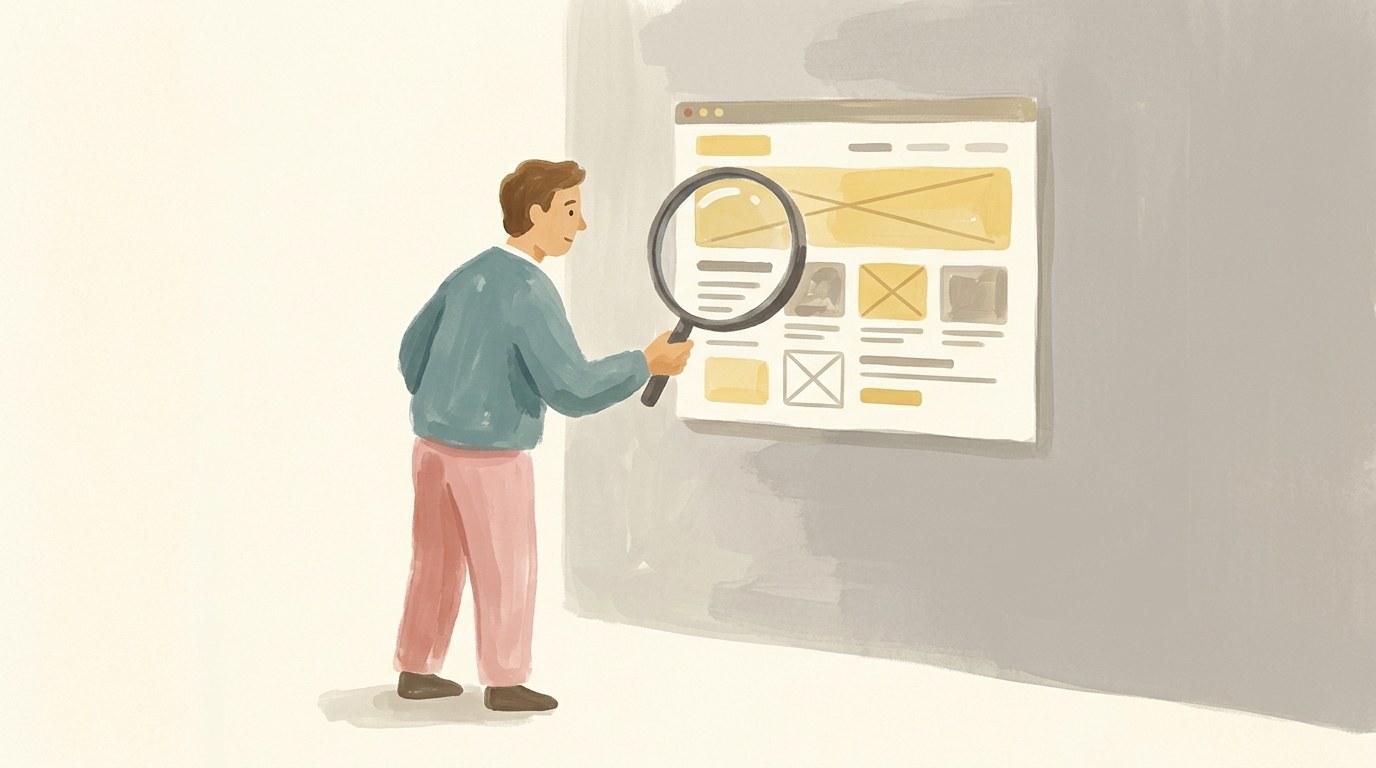
I get a lot of calls that start the same way: "We just found out we need to be 508 compliant and we launch in six weeks." That's a rough spot to be in, and it's almost always more expensive than it needed to be. Section 508 requires federal agencies and anyone taking federal money to make their technology accessible. The standards map to WCAG 2.1 AA, which is a well-defined target. The problem isn't that the rules are unclear — it's that most teams don't think about them until the end.
Retrofitting accessibility after launch is brutal. You're not just tweaking colors and adding alt text — you're rearchitecting user flows, rewriting content, and retesting everything. I've seen it cost three to ten times what it would have cost to build it right from the start. If there's one thing I could get every project manager to do, it's put accessibility in the scope document on day one, right next to the feature list. Not as a "nice to have." As a requirement.
The good news is the tooling has gotten a lot better. Axe-core and Lighthouse will catch 30 to 40 percent of issues automatically — contrast failures, missing alt text, heading hierarchy problems. Run them in CI and you'll catch the easy stuff before it ships. But here's the thing: automated tools can't tell you if your screen reader experience actually makes sense, or if a keyboard user can get through your form without getting trapped. You need manual testing for that, ideally from someone who uses assistive technology daily — not a developer firing up VoiceOver for the first time.
What I tell clients: bake accessibility checks into every sprint review. Keep a style guide with accessible component patterns so your team isn't reinventing the wheel. Budget for a third-party audit once a year. It's not glamorous work, but once it's part of how your team builds — not something imposed at the end — the whole product gets better. Not just for people using screen readers. For everyone.